China’s New Industrial Policy Calls for Wider AI Adoption and Manufacturing Upgrades
Beijing’s guidelines promote AI across industries and call for faster technology oversight, but do not specify new humanoid robot funding or deployment targets.

October 12, 2026 by Artem
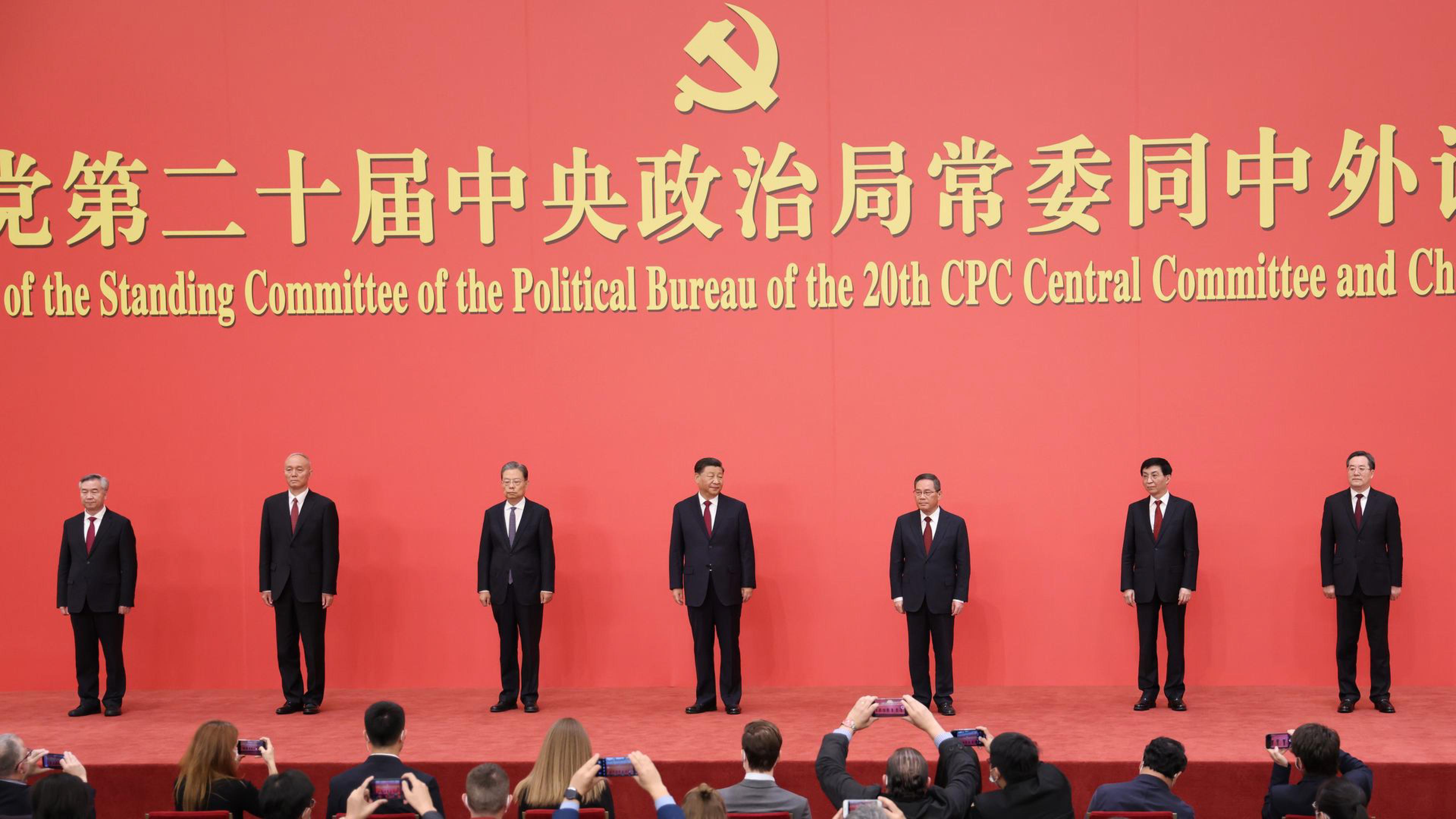
BEIJING -- China’s Communist Party Central Committee and State Council have issued guidelines calling for wider use of AI across industries, stronger technological innovation and upgrades to traditional manufacturing as part of the country’s push to speed technological innovation.
The 19 measures, published by the Chinese government on Oct. 9 (Chinese-language report), cover scientific and technological innovation, industrial development, institutional reform and talent development. The guidelines also call for closer integration of digital technologies with the real economy.
For robotics developers, the most relevant provisions concern the application of AI and intelligent technologies in manufacturing, alongside efforts to connect research with commercial production. The plan calls for broader AI adoption and modernization of manufacturing, as well as for innovation, industrial upgrades and talent development.
The guidelines also support emerging industries and stimulate private‑sector investment. They rely on current fiscal policies as a means of supporting future industries, but do not announce a dedicated robotics funding package or specify how much additional money will go to robot manufacturers.
The policy calls for wider implementation of China’s “AI Plus” initiative, which seeks to apply artificial intelligence across industries. It also calls for field testing and incident protocols.
Those provisions are relevant to developers of AI-powered robots, whose systems must operate in physical environments rather than produce digital outputs alone. However, the publication does not specify other requirements for this industry.
The guidelines are part of China's broader industrial and technological plan, covering the 2026–2030 15th Five‑Year Plan. The government’s summary identifies 28 major projects related to developing new quality productive forces, representing a quarter of the plan’s 109 major projects.
For robotics businesses, the next issue is how the policy will be implemented — via research grants, procurement, manufacturing incentives, or formal implementation rules.
More articles on this topic
147 articles ReportWhat it Really Costs to Own a Personal Assistant Robot at Home
 ReportHumyn Labs Raises $47 Million to Build Real-World Training Data for Robotics
 ReportBoston Dynamics Selects GlobalFoundries as First Semiconductor Customer for Atlas Humanoid Trials
 ReportSPARKOZ Plans U.S. Cleaning Robot Production With Pacific Floorcare
 ReportROBOTERA Deploys Humanoids at 11 China Post Hubs
 ReportGeneral Motors Plans to Increase Factory Robotics and Automation by 20% by 2028
 ReportCanada’s Promise Robotics Raises $28M to Expand Homebuilding
 ReportGenesis AI Raises $500 Million at a $3.5 Billion Valuation to Scale General-Purpose Robots
 ReportSingapore's Certis Robot Fleet Tops 60 Amid New Humanoid Tests
 ReportMultiway Robotics Showcases Intralogistics Solutions and Wheeled Humanoid at CeMAT ASIA
 ReportBosch-Backed Boyuan Capital Bets on Industrial Robotics With New Fund
 ReportFORT Robotics Files Registration Statement for Public Listing Partnership
BUSINESS NEWS WEEKLY LETTER
The Weekly Letter for Robotics Professionals, Summarizing the Most Important Industry Moves, Launches, Deals and Signals.