China Seeks to One ID for Every Robot
Public comment on the industry ministry's draft closes Sept. 23. A 29-digit identity code for humanoids has already been in use since May.

September 1, 2026 by Vismay
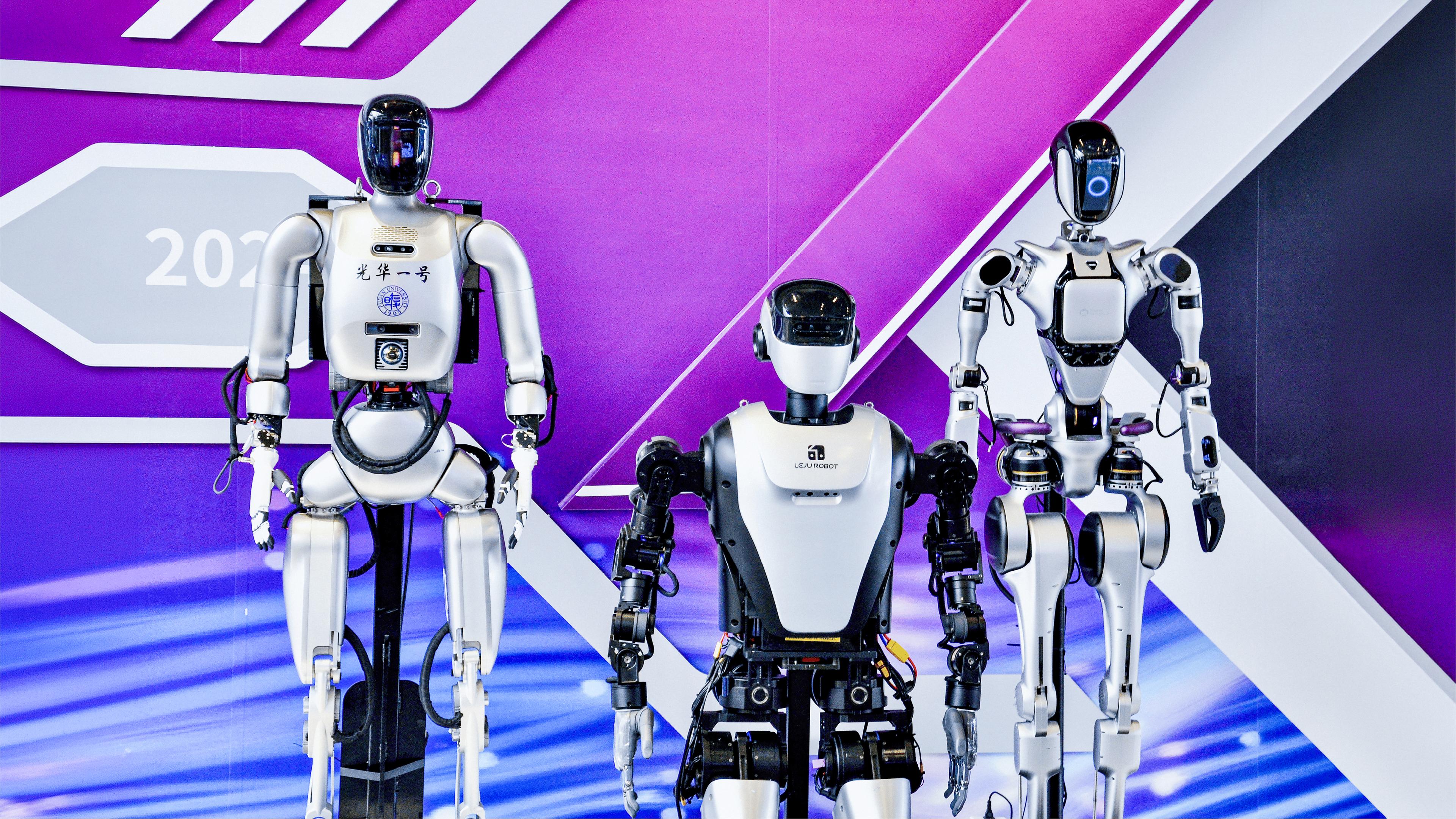
BEIJING. The country’s industry ministry has opened public consultation on a draft plan to establish national standards for identifying individual humanoid robots. The proposals cover unique identifiers, coding rules, and the mechanisms used to assign and verify a robot’s identity.
The brand guideline was issued by the science and technology department of the Ministry of Industry and Information Technology and is currently open to public comments until Sept. 23.
The identification rules form part of a broader effort to build a national standards system for humanoid robots.
Under the plan, China aims to complete at least 100 key standards by 2028. These would cover capability testing and evaluation, key technologies, platforms and systems, applications, and safety governance.
More than 200 companies are expected to put the standards into practice, according to Xinhua’s summary of the document.
In May, the ministry's standardization committee launched a lifecycle management platform that assigns each machine a 29-digit code: two digits for country, four for the manufacturer, six for the product model, and 17 for the serial number.
Xinhua reported at the time that more than 100 companies had signed up and that codes had been issued to over 28,000 units across 200 product models, under what it described as a "no code, no market access" rule.
What the draft does not specify is what an identifier attaches to: the machine itself, its owner, its operator, or the AI system running it. Nor does it say who would be able to look up a code or how identity would be handled when or if a robot's components, software, or ownership changes.
Beyond the identification aspect, the draft calls for standardized methods of grading robot capabilities, performance, and environmental adaptability requirements for machines working in structured and semi-structured industrial settings and standards for ethical requirements and social-impact assessment.
At a July 20 briefing, the ministry said China had developed more than 400 humanoid robot models, over half the global total. That figure counts models developed, not machines in service.
Each of the 100 standards would still have to be drafted and issued separately, and the published notice does not specify which would be mandatory.
More articles on this topic
156 articles ReportOctopus-Inspired Muscle Design Simplifies Dexterous Soft Robots
 Report5 Jobs Robots Could Take Over by 2035 — And 5 They’ll Struggle to Replace
 ReportBoston Dynamics Sacrifices Atlas’ Fifth Finger for Efficiency
 ReportAgility Adds FORT Safety Infrastructure to Digit 5
 ReportEni, Generative Bionics Partner on Industrial Humanoid Robotics
 ReportFeather Prices Modular Dual-Arm Robot at $29,990
 ReportSamsung Plans Factory-First Path for Humanoids Before Home Robots
 ReportNvidia Develops Safety Controls as AI Advances Into Robotics
 ReportDyna Launches Wheeled Semi-Humanoid for Full Workflows
 ReportWhy aren't robots in our homes yet?
 ReportRobotera Says Dexterous Hands, Not Walking, Are Humanoids’ Bigger Challenge
 ReportFlourish Opens Preorders for $3,555 Trainable Home Robot
BUSINESS NEWS WEEKLY LETTER
The Weekly Letter for Robotics Professionals, Summarizing the Most Important Industry Moves, Launches, Deals and Signals.