OpenAI Expands Robotics Hiring to Develop Humanoid Hardware
The developer of ChatGPT is hiring engineers for custom motors, actuators and control systems as it pursues humanoid robots.

October 20, 2026 by Artem
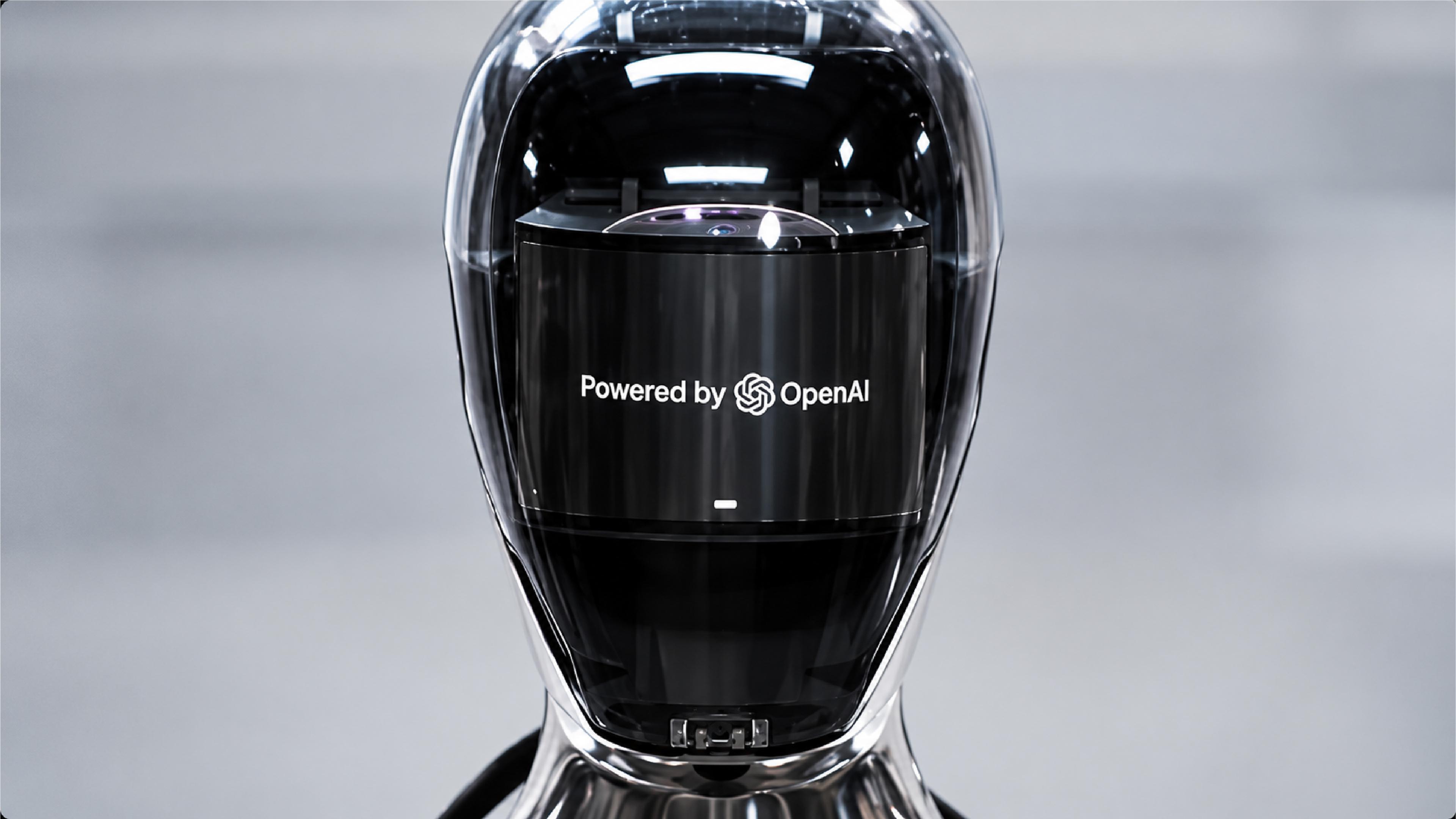
SAN FRANCISCO -- OpenAI is recruiting engineers to develop custom motors, actuators and other robotics hardware as the ChatGPT maker expands its internal engineering team to pursue humanoid robots and other physical AI systems.
The company's careers website listed 19 robotics-related positions as of Oct. 20. They cover mechanical engineering; control systems; motor development; manufacturing; software; safety.
To be sure and/or fair, several openings involve designing and testing electromechanical components rather than developing AI software alone.
A manufacturing engineering position covers prototype production of motors and actuators, including assembly processes, tooling and manufacturing validation. Another mechanical engineering role focuses on motor design, component prototyping and production methods that ensure repeatability.
The job openings reveal that OpenAI is building the engineering capabilities needed to develop its own robot components. They alone do not prove that the company has begun manufacturing complete humanoid robots.
The recruitment also covers control software and systems engineering, which coordinates sensors, actuators, and physical motion.
Developing these systems internally would give OpenAI more direct control over how its AI models interact with robotic hardware. It remains to be seen whether the AI giant intends to build full robots itself, outsource production, or do both.
OpenAI CEO Sam Altman talked about the company's robotics plans in a September interview on the Sources podcast, confirming that it intends to develop humanoids alongside robots with other body designs.
In a separate interview with Fortune, published Sept. 15, Altman said OpenAI expects to demonstrate robotics technology in 2027. He warned that robots operating in public environments would take several more years.
The company has not specified whether the planned demonstration will involve a complete humanoid robot or another type of robotic system.
Back in 2019, OpenAI's Dactyl project demonstrated a simulated-trained robotic hand (Rubik's Cube), and researchers later transferred those control policies to physical hardware.
That research focused on transferring control policies developed in simulation to physical hardware. The current recruitment now includes mechanical and robotics engineers.
OpenAI has also collaborated with outside robotics companies. Figure AI ended the partnership in February 2025 to pursue its own robotics models. OpenAI has backed Norway's 1X Technologies, a developer of humanoid robots for homes.
The company has not detailed its planned humanoid's design or specifications, identified a production facility, or announced a release date.
More articles on this topic
147 articles ReportSPARKOZ Plans U.S. Cleaning Robot Production With Pacific Floorcare
 ReportROBOTERA Deploys Humanoids at 11 China Post Hubs
 ReportGeneral Motors Plans to Increase Factory Robotics and Automation by 20% by 2028
 ReportCanada’s Promise Robotics Raises $28M to Expand Homebuilding
 ReportSingapore's Certis Robot Fleet Tops 60 Amid New Humanoid Tests
 ReportBosch-Backed Boyuan Capital Bets on Industrial Robotics With New Fund
 ReportAndromeda Robotics Raises $30 Million in Equity Offering
 ReportBoston Dynamics' Q3 Loss More Than Doubles to $175 Million
 ReportROBOTERA Launches Dexterous Hand for NVIDIA's Humanoid AI
 ReportLG Partners With Korean Agency on Humanoid Robot Safety
 ReportChina's Physical AI Funding Slows as Investors Seek Robot Orders
 ReportZhejiang Humanoid Robot Center Plans Tenfold Capacity Increase
BUSINESS NEWS WEEKLY LETTER
The Weekly Letter for Robotics Professionals, Summarizing the Most Important Industry Moves, Launches, Deals and Signals.