Robot Baristas are Learning to Reproduce the Art of Professional Coffee Making
Explore how advanced robot baristas are combining machine learning and precision mechanics to reproduce the delicate art of professional coffee making, balancing absolute consistency with human hospitality.

November 16, 2026 by Dr Maulik Vyas
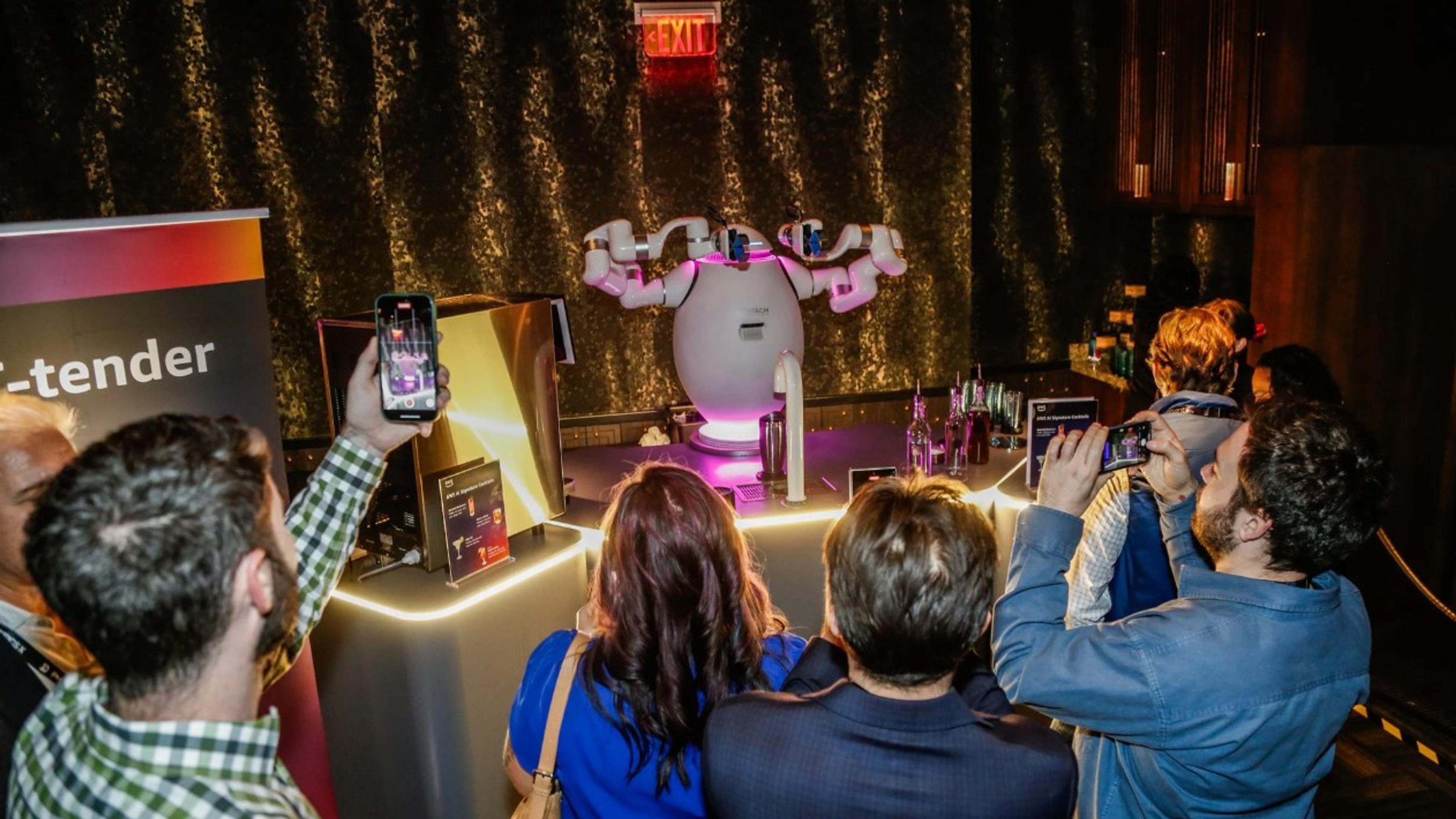
Specialty coffee is a human endeavor. From harvested coffee cherry to expertly crafted morning cup, the senses are treated to the sounds, smells, and gestures of carefully crafting coffee for others. Many varieties of repetitive motion injury plague baristas and other coffee shop employees who toil behind the counter in search of consistency in the face of variability in coffee and in method of preparation. Additionally, in the high-volume environment of morning rush hours, life can be stressful for even the most composed of coffee shop personnel.
There is a whole new generation of coffee machines in development, known as robot baristas. Contrary to common perceptions of typical vending machines, these machines are capable of replicating professional coffee drinks, utilizing cutting edge robotics in conjunction with sophisticated machine learning.
Bridging the gap between code and craft
Turning good coffee into great coffee requires a fine touch and a great deal of knowledge of the process. Adapting the same process to ground coffee requires a number of adjustments, above and beyond those needed to press hot water through coffee pods and packaging. Most importantly, the tamping of the coffee grounds in the espresso machine requires firm, even pressure to guarantee the best possible results.
When it comes to the milk for your coffee, baristas need to know exactly when to stop the texturing process in order to create the perfect amount of microfoam and to avoid any risk of the milk becoming hot and soapy instead.
New robot baristas are designed to track the complex set of variables involved in making quality beverages in real time by combining advanced computer vision and automation software. For example, if a shot of espresso has a slightly different flow rate than normal, the system’s algorithms can instantly readjust the critical parameters for the next perfectly extracted shot. Unlike the pre-programmed code of a typical vending machine, these machines mimic the human barista who has mastered the craft after long hours of fine-tuning.
What is the mechanics of fluid motion?
Fluids splash about, and milk can ‘slosh’ within the pitcher, causing any number of problems when the fluids are being poured. Food and beverage fluids in particular can be challenging to work with, for reasons related to their physical, fluid nature.
A new generation of coffee machines and robots are overcoming the difficult task of imitating the majority of tasks related to the coffee-making process by learning through imitation and implementing multi-axis articulation. The ADAM robot from Richtech Robotics is an example of such automation: a dual-armed, commercial-grade, food-grade robot that can serve customers and make coffee in high-traffic environments.
For tasks that need to be done on multiple cups of coffee, these robots use two arms in a coordinated manner. Each arm can handle tasks like grinding coffee, opening containers of milk, and pouring coffee into cups. They are even able to manage to serve many customers at once. A very impressive and smooth way of handling tasks that typically can cause a lot of stress to the barista, and also can cause many problems.
Consistency along with creativity
A huge benefit to the robot barista is its ability to serve up drinks consistently, whether it is day or night. Human baristas are also able to produce incredibly high-quality coffee, but only on their best days. On an off day after a long shift of work, it is expected that the human barista will not produce the best quality of coffee. In contrast, a robot barista can consistently produce high quality coffee around the clock.
So, every single drink is made exactly the same every time with the robot barista. It is able to weigh out the exact amount of coffee, time the exact amount of time for extraction and even measure out the exact amount of milk to create the perfect velvety texture each and every time.
Some fear that the installation of robotics in coffee shops will eradicate the unique soul of cafe culture; however, more visionary shop owners view these machines as a means to an end. While the robots can produce drink after drink of constant quality, the humans that run them can be far more useful — providing excellent customer service and forging meaningful connections with their patrons in a context far removed from the tedium of bulk production.
The future coffee cup
The boundary between human-made and machine-made will continue to decrease as the machine learning code continues to slim down and the coffee-machine arms become more dexterous. Soon enough, robot kiosks will be serving espresso at the airport, and in downtown cities collaborative robots will be working side by side with their human colleagues in coffee shops, serving up the perfect cup of coffee to their customers.
Indeed, robot baristas have stopped being a futuristic concept and are now becoming part of the high-end coffee technology.
More articles on this topic
278 articles ReportWhat it Really Costs to Own a Personal Assistant Robot at Home
 ReportHumyn Labs Raises $47 Million to Build Real-World Training Data for Robotics
 ReportBoston Dynamics Selects GlobalFoundries as First Semiconductor Customer for Atlas Humanoid Trials
 ReportGenesis AI Raises $500 Million at a $3.5 Billion Valuation to Scale General-Purpose Robots
 ReportMultiway Robotics Showcases Intralogistics Solutions and Wheeled Humanoid at CeMAT ASIA
 ReportFORT Robotics Files Registration Statement for Public Listing Partnership
 ReportTARSBOT and Aptiv Plan to Deploy 100 Industrial Robots Across 33 Factory Applications
 ReportSouth Korea Proposes $39 Million for Robot Actuators, Humanoid Batteries and AI Sensors
 ReportLoongson Completes ROS 2 Integration on Its Domestic Computing-Powered Intelligent Robot Vehicle
 ReportBoston Dynamics Puts Wheels on Atlas Humanoid to Test Reinforcement Learning and Motor Limits
 ReportAnt Group Open-Sources LingBot-Touch to Give Robots a Shared Sense of Touch
 ReportArrive AI Invests in Ottonomy with Plans for 50 Autonomous Delivery Robots
BUSINESS NEWS WEEKLY LETTER
The Weekly Letter for Robotics Professionals, Summarizing the Most Important Industry Moves, Launches, Deals and Signals.