Singapore to Trial Pepper-Spray Robots in Three Prisons
The three-month trial will test robotic patrols and remote incident response, with officers deciding when to intervene.

September 10, 2026 by Nisha
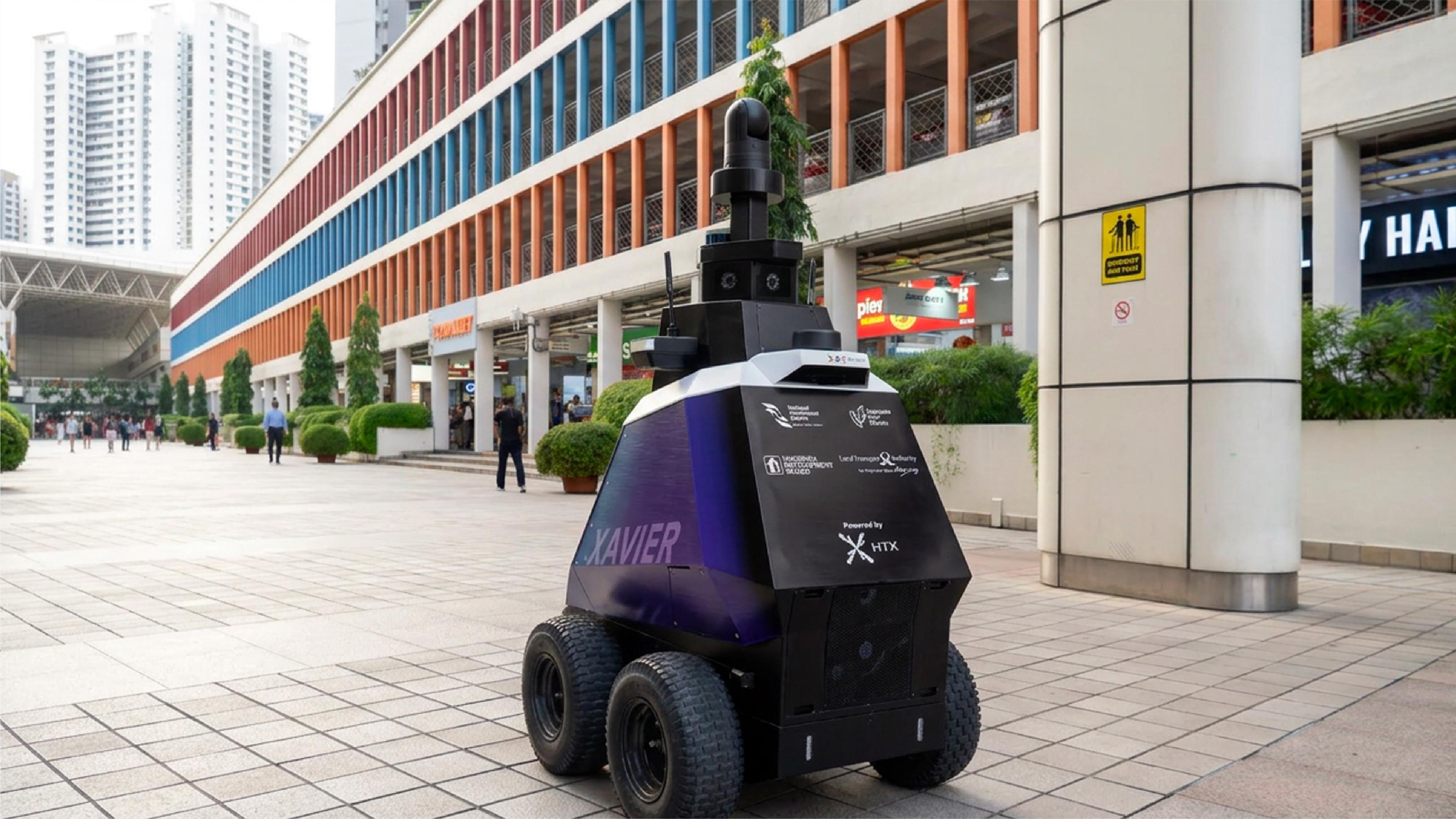
SINGAPORE — Starting October, two Singapore Prison Service prisons will be piloting 3-month-long programmes where they use robots equipped with pepper spray to investigate how well machines will react to prisoner standoffs, thereby reducing officers' exposure to conflict.
Developed together with Home Team Science and Technology Agency, PROTECT (or Prisons Robot To Eradicate Conflicts And Threats) is currently in prototype. The distinction between autonomous patrol and autonomous intervention is central to the project. SPS says the robot remains under development and cannot independently detect incidents and act on them. The robot, which stands 157cm tall and weighs 510kg, is programmed to patrol specific locations, using its AI to identify individuals and navigate around objects while officers use its video and sound feeds to monitor everything remotely.
If a conflict takes place, officers can manually control the machine, issue warnings and trigger the pepper spray; allowing staff to commence intervention without needing to be physically present at the scene. According to published specifications of the machine's functions, PROTECT can alert prison authorities when tamper attempts have been detected.
A survey by CNA confirms that the robots will function primarily for inmates' supervision, surveillance and event management purposes and aims at delivering swifter, safer and more effective intervention, although tests have yet to confirm the robots have yielded such results in day-to-day functions.
The project builds on earlier efforts to reduce the time officers spend watching inmates and camera feeds. In a previous GovInsider interview, Singapore’s Ministry of Home Affairs described smart cameras and video analytics used to help identify fights and medical emergencies.
Officers, who traditionally attend to prisoners for rehabilitations work that need direct attention, now have mobile platforms from where to watch incidents and respond with their intervention.
The SPS says, these proposed measures are but experimental, and it will only after the completion of these trials that we may be able to determine how they perform in a real-life scenario and prove their benefits in helping with public safety.
More articles on this topic
156 articles ReportOctopus-Inspired Muscle Design Simplifies Dexterous Soft Robots
 Report5 Jobs Robots Could Take Over by 2035 — And 5 They’ll Struggle to Replace
 ReportNvidia Develops Safety Controls as AI Advances Into Robotics
 ReportWhy aren't robots in our homes yet?
 ReportFlourish Opens Preorders for $3,555 Trainable Home Robot
 ReportHow Do Robots See the World?
 Report6 Unusual Jobs Done By Robots
 ReportRLWRLD Expands Physical AI Push for Industrial Robots
 ReportCircus SE Partners With Royal Prestige for UAE Food-Robot Launch
 ReportSix Giant Robots from Around the World
 ReportThree Real Robots Inspired by Star Wars
 ReportJobs You Didn't Know Were Done by Robot Dogs
BUSINESS NEWS WEEKLY LETTER
The Weekly Letter for Robotics Professionals, Summarizing the Most Important Industry Moves, Launches, Deals and Signals.